Composition
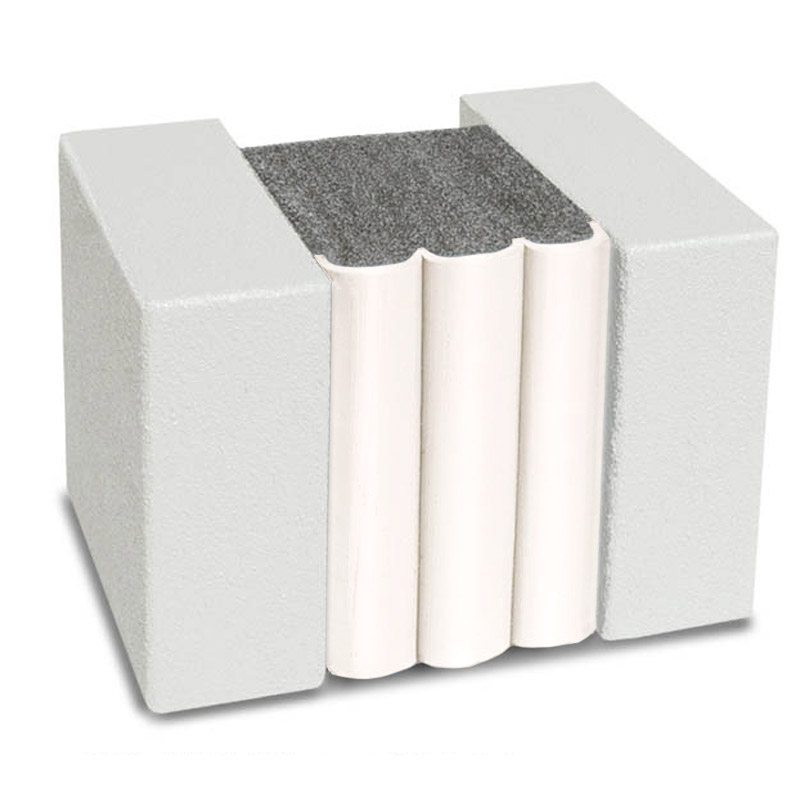
- The DSF System is produced by coating an impregnated cellular foam with a non-corrosive liquid silicone sealant compliant to NSF/ANSI 61 Standard as well as FDA regulation CFR 177.2600.
- The external silicone facing is factory applied to the foam at a width greater than the maximum offered extension and is cured before final compression.
- The silicone application and curing takes place in a factory-controlled environment. In contrast to field-applied liquid sealant and backer rod installations, no movement takes place during curing that can cause deformation or stresses in the material.
- When compressed, a bellows is created in the coating. As joint movement occurs the bellows simply folds and unfolds free of tension on the bondline, and virtually free of tensile stress in the silicone material.
- The foam provides a resilient backing to the silicone coating, making the system capable of resisting head pressure and reasonable transient point loads.
- The DSF System is supplied in 6.56 LF (2m) shrink-wrapped lengths (sticks). “Universal-90” factory-fabricated corners with a standard length of 6-inches (one leg) and 12-inches (other leg) are also available. DSF is precompressed to less than the joint size for easy insertion. After removal from the shrink-wrap and hard board restraining packaging, it expands gradually.
Design Considerations
Substrates must be solid, parallel, plumb, free of any contaminants, and capable of resisting approximately 2.5 psi backpressure from the foam.
For continuous immersion or potable water submersion applications — see Submerseal.
Applicable Standards: The silicone coating is compliant to NSF/ANSI Standard 61; NSF Standard 51; FDA Regulation CFR 177.2600; MIL-A-46146; and UL 94 Flame Class, 94 HB.
Availability and Price
- Available for shipment internationally.
- Prices are available from local distributors or representatives. For more information, contact EMSEAL.
- The product range is continually being updated, and accordingly EMSEAL® reserves the right to modify or withdraw any product without prior notice.